


Please Leave Us A Message
Privacy statement: Your privacy is very important to Us. Our company promises not to disclose your personal information to any external company with out your explicit permission.
 Jiangsu Changshu Vast Import and Export Trade Co.,LTD
Select Language
English


Supermarket shelves are specialized retail storage solutions designed to organize, display, and maximize the selling potential of products in grocery stores, convenience markets, and hypermarkets. These heavy-duty shelving systems serve as the backbone of any retail floor plan, transforming chaotic inventory into an attractive, accessible shopping experience that drives sales.
For procurement buyers, choosing the right supermarket shelf system means investing in a long-term asset that directly impacts store layout efficiency, product visibility, and customer satisfaction. High-quality shelving reduces restocking time, minimizes product damage, and creates a professional merchandising environment that encourages impulse purchases.
Jiangsu Changshu Vast Import and Export Trade Co., Ltd. specializes in manufacturing premium supermarket shelf accessories and complete shelving systems. With over 100 product varieties spanning steel and wood shelf series, wire basket collections, promotional displays, and logistics carts, we provide end-to-end retail fixture solutions tailored to your store's specific requirements.
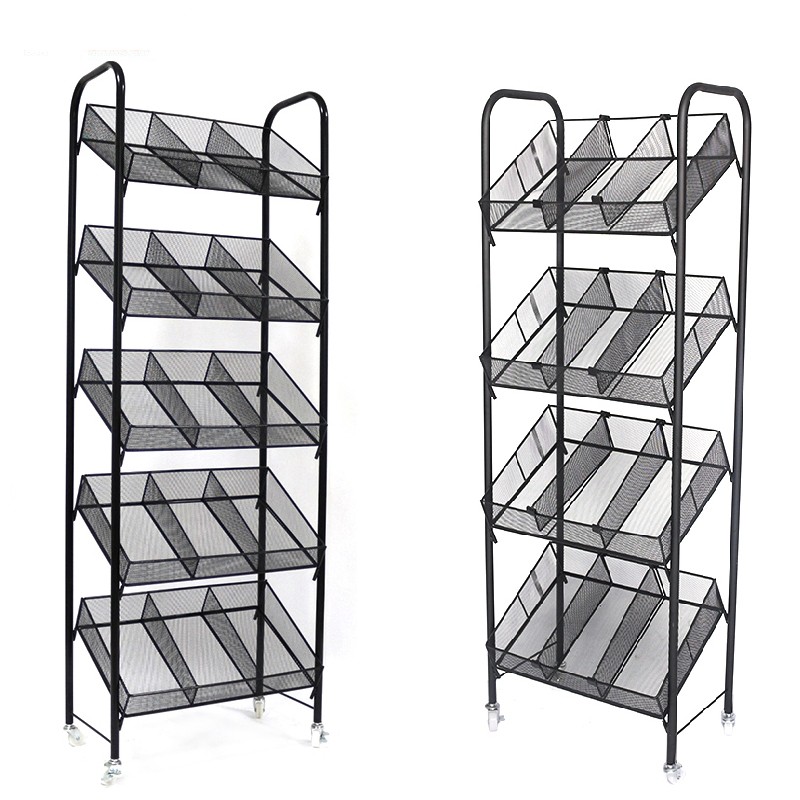
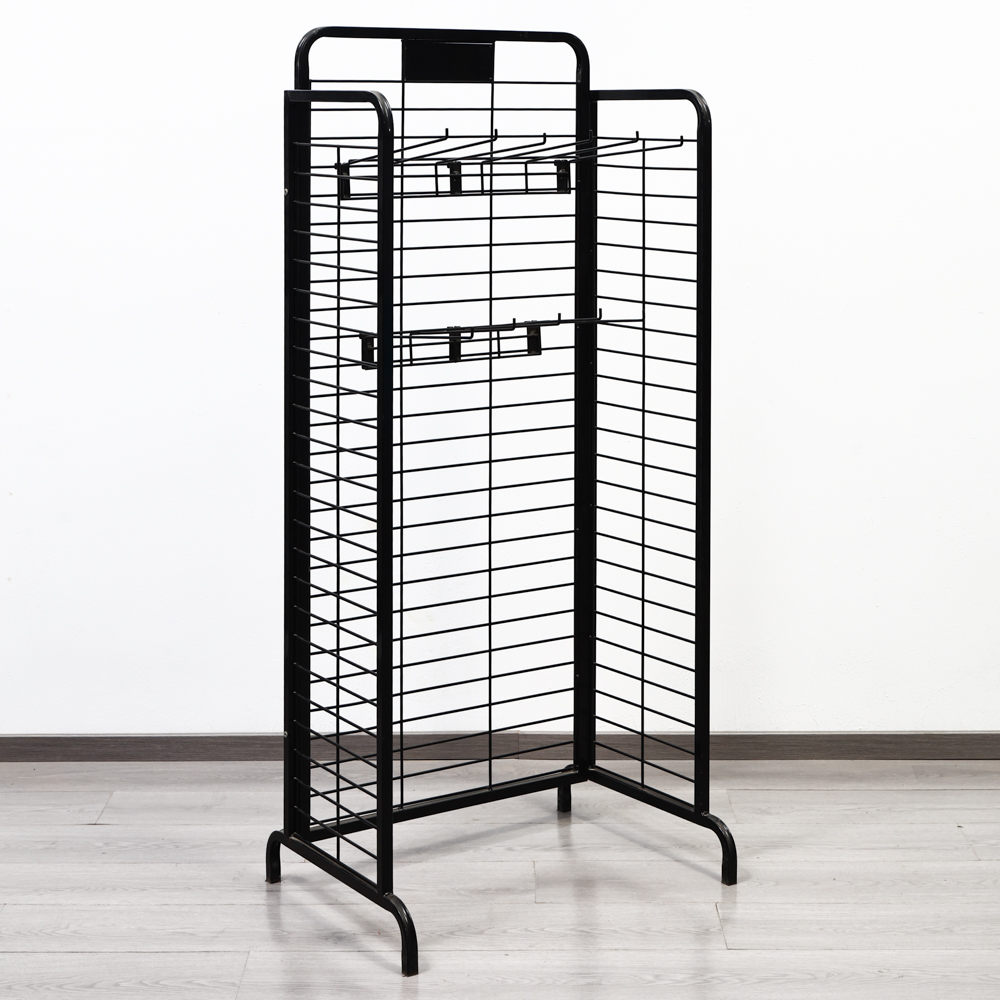
Our manufacturing facility integrates advanced welding, bending, and production technology to ensure every supermarket shelf meets rigorous quality benchmarks. The company's commitment to "product quality strives for survival" is reflected in our precision engineering, consistent material thickness, and durable surface finishes that withstand years of daily retail use.
Under the umbrella of Jiangsu Changshu Vast Import and Export Trade Co., Ltd., our subsidiary Changshu Xinyang Commercial Equipment Co., Ltd. operates with state-of-the-art equipment for researching, designing, and producing commercial shelving components. This vertical integration allows us to control every stage of the manufacturing process, from raw material selection to final assembly, ensuring consistent quality across all orders.
We utilize high-grade steel and complementary materials engineered for heavy load-bearing capacity. Powder-coated and chrome-plated finishes resist corrosion, scratches, and wear, maintaining their professional appearance even in high-traffic retail environments. This durability translates to lower total cost of ownership, reducing replacement frequency and protecting your initial investment.
From standard steel and wood shelf series to specialized wire baskets, promotional cages, vegetable racks, and warehouse logistics carts, our catalog covers more than 100 product types. This breadth enables single-source procurement, simplifying your supply chain and reducing coordination overhead across multiple vendors.
Selecting the optimal supermarket shelving system requires evaluating multiple factors beyond basic aesthetics. Smart procurement buyers assess load capacity requirements, modular flexibility, material compatibility with their product categories, and how well the shelving integrates with existing store infrastructure. Each decision point directly affects operational efficiency and long-term profitability.
Different product categories impose varying weight demands on shelving units. Heavy items like canned goods, beverages, and cleaning supplies require reinforced shelf panels and robust upright frames. Lighter merchandise such as packaged snacks or personal care items can utilize lighter-duty configurations. Matching shelf specifications to your actual product mix prevents over-engineering costs while eliminating safety risks from under-specification.
Retail environments evolve — seasonal promotions, new product launches, and changing consumer preferences demand shelving that adapts quickly. Look for adjustable shelf heights, interchangeable components, and tool-free assembly systems that allow you to reconfigure layouts without specialized labor or extended downtime. Modular designs future-proof your investment against shifting merchandising strategies.
Steel, wood, wire mesh, and hybrid constructions each offer distinct advantages. Steel provides maximum strength and affordability for bulk storage. Wood accents add visual warmth for premium product zones. Wire baskets improve visibility for small items and enhance airflow for produce sections. Understanding these trade-offs helps you specify the right combination for each department within your store.
Use this comprehensive checklist when evaluating supermarket shelf suppliers and making purchasing decisions. Each criterion addresses a critical dimension of quality, reliability, and value that protects your procurement investment.
Procurement buyers frequently encounter predictable challenges when sourcing supermarket shelving from international manufacturers. Understanding these common pitfalls in advance allows you to implement preventive measures, negotiate better terms, and avoid costly disruptions to your store rollout timeline.
Some suppliers advertise higher weight capacities than their shelves actually deliver. Underperforming shelves sag under normal loads, creating safety hazards and damaging products. Always request third-party load testing documentation before committing to large orders.
Thin powder coatings or inadequate pre-treatment lead to premature rust, chipping, and unsightly wear patterns. This is especially problematic in humid supermarket environments or areas with frequent cleaning. Specify minimum coating thickness requirements in your purchase agreement.
Mixing shelving from different manufacturers or even different production batches often results in mismatched connectors, uneven shelf levels, and unstable structures. Insist on standardized component systems and order expansion units from the same production run whenever possible.
Shelving components are prone to denting, scratching, and bending during transit if packaging is insufficient. Damaged parts delay installation and increase replacement costs. Require suppliers to use reinforced corner protectors, edge guards, and sturdy carton packaging for all shipments.
Suppliers may quote competitive base prices but charge excessive fees for minor customizations like color changes, size adjustments, or logo integration. Clarify all customization costs upfront and negotiate bundled pricing for multi-item orders to achieve better overall value.
Production delays disrupt store renovation schedules and promotional calendars. Establish clear delivery timelines with penalty clauses for late shipments. Reputable manufacturers with established production lines, like those backed by integrated industry-trade companies, typically maintain more reliable schedules.
Selecting the right supermarket shelf supplier requires evaluating capabilities, market presence, and alignment with your procurement priorities. Based on industry analysis and buyer feedback patterns, here are key recommendations for sourcing commercial shelving that delivers lasting value.
Suppliers that combine manufacturing capability with direct export operations eliminate intermediary markups and improve communication speed. Companies like Jiangsu Changshu Vast Import and Export Trade Co., Ltd., which operate dedicated manufacturing subsidiaries, offer direct access to production facilities, faster response times, and greater transparency throughout the ordering process.
The most efficient procurement strategy sources all shelving-related components from a single supplier. Look for manufacturers offering complete ranges including main rack systems, shelf panels, wire baskets, promotional cages, hooks, signage holders, and logistics carts. Single-source relationships simplify logistics, reduce administrative overhead, and ensure design consistency across your entire retail space.
Request facility tours or video walkthroughs to verify that the supplier operates actual production equipment rather than acting as a trading middleman. Advanced welding machines, precision bending tools, and automated finishing lines indicate genuine manufacturing capability and the ability to maintain consistent quality at scale.
Suppliers with established export operations understand international shipping requirements, customs documentation, and cross-cultural communication expectations. Their experience handling distant markets translates to smoother transactions, fewer documentation errors, and more reliable delivery schedules for overseas buyers.
The lowest quoted price rarely represents the best value. Instead, evaluate total cost of ownership including durability, replacement frequency, installation ease, and after-sales support. Manufacturers that emphasize "reasonable price" alongside quality craftsmanship, like those recognized by consistent customer praise, typically deliver the strongest balance between upfront cost and long-term performance.
Responsive, clear communication prevents misunderstandings about specifications, quantities, and delivery timelines. Suppliers who proactively provide production updates, share photos during manufacturing, and respond promptly to inquiries demonstrate professionalism that reduces procurement risk and builds confidence in the partnership.
Get answers to the most common questions procurement buyers ask when sourcing supermarket shelving systems. These insights address practical concerns about specifications, ordering processes, and long-term performance.
Standard supermarket shelves typically support 50-150 kg per level, depending on material thickness, shelf depth, and upright frame specifications. Heavy-duty industrial-grade units can handle 200 kg or more per shelf. Always verify load ratings against your specific product mix and request certified test documentation from your supplier.
Measure your available floor space, aisle widths, and ceiling height first. Standard supermarket shelf heights range from 120cm to 240cm. Shelf depths typically vary between 30cm for narrow aisles and 90cm for end-cap displays. Work with your supplier to create a custom layout plan that maximizes product visibility while maintaining comfortable customer traffic flow.
Yes, most manufacturers offer extensive customization options including powder coat color matching, custom sizing, branded signage holders, and logo-engraved nameplates. Integrated manufacturers can accommodate bespoke designs while maintaining structural integrity and load capacity standards. Discuss your branding requirements early in the specification phase to optimize design and pricing.
Well-maintained commercial supermarket shelves from reputable manufacturers typically last 10-15 years or longer in active retail environments. Durability depends on material quality, finish thickness, load utilization, and maintenance practices. Regular inspection, prompt replacement of damaged components, and avoiding overload conditions extend service life significantly.
Professional suppliers use layered packaging with foam corner protectors, cardboard edge guards, and shrink-wrapped bundles secured to wooden pallets or in sturdy cartons. Components are individually wrapped to prevent scratching during transit. Ask your supplier for detailed packaging specifications and request photos of packed containers before shipment approval.
Purchasing from a single manufacturer ensures component compatibility and consistent finish quality. Start with complete base sets for your primary departments, then order additional shelves, baskets, and accessories from the same production batch as needed. This approach guarantees uniformity and simplifies future expansion without compatibility concerns.
Reputable manufacturers typically offer warranties ranging from 1 to 5 years covering structural defects, finish degradation, and connector failures. Warranty terms vary by product line and material type. Always review warranty conditions carefully, understand what constitutes valid claims, and confirm the supplier's process for processing warranty replacements efficiently.
Manufacturers offer tiered pricing based on order quantity, with significant discounts at full container load volumes. Bulk orders also enable more favorable freight rates through consolidated shipping. For large-scale retail rollouts, negotiating volume-based pricing with your supplier can reduce per-unit costs substantially while locking in production slots for timely delivery.
Whatsapp: +44 7761848393
Address: No. 781 Wangzhuang Industrial Park, Yungu Line, Suzhou, Suzhou, Jiangsu China
Website: https://www.vastrolley.com
Privacy statement: Your privacy is very important to Us. Our company promises not to disclose your personal information to any external company with out your explicit permission.
Fill in more information so that we can get in touch with you faster
Privacy statement: Your privacy is very important to Us. Our company promises not to disclose your personal information to any external company with out your explicit permission.