


Please Leave Us A Message
Privacy statement: Your privacy is very important to Us. Our company promises not to disclose your personal information to any external company with out your explicit permission.
 Jiangsu Changshu Vast Import and Export Trade Co.,LTD
Select Language
English


A stacking plastic flat tray is a specialized logistics and storage container designed with reinforced bottom ribs that allow multiple units to be securely nested or stacked when empty, maximizing space efficiency during return transport or warehousing. Unlike standard bins with full perforated bottoms, these trays feature a solid or slatted base optimized for stability, making them ideal for holding loose items, components, or retail goods without risk of falling through.
These containers are typically manufactured from high-density polyethylene (HDPE) or polypropylene (PP), offering exceptional durability against impact, moisture, and chemical exposure. The flat design allows for uniform stacking, while the integrated lid options (where applicable) provide security for sensitive inventory.
For supply chain managers, the primary advantage is cost reduction. By nesting efficiently when empty, businesses can reduce return shipping volumes by up to 70% compared to non-stackable alternatives. This directly lowers landed costs and improves overall warehouse turnover rates.
Jiangsu Changshu Vast Import and Export Trade Co., LTD operates as an integrated industry-trade entity, leveraging advanced manufacturing capabilities to produce high-grade stacking plastic flat trays and related supermarket equipment. Our production facility integrates rigorous quality control protocols at every stage, from raw material selection to final inspection.
We utilize state-of-the-art injection molding and welding equipment to ensure structural integrity. The manufacturing process involves precision bending and forming techniques that guarantee consistent dimensions across large production batches, critical for automated warehouse compatibility.
Our stacking plastic flat trays are crafted from virgin-grade polymers that offer superior tensile strength and UV resistance. This ensures longevity even under heavy loads and frequent handling, reducing replacement frequency and total cost of ownership for our B2B clients.
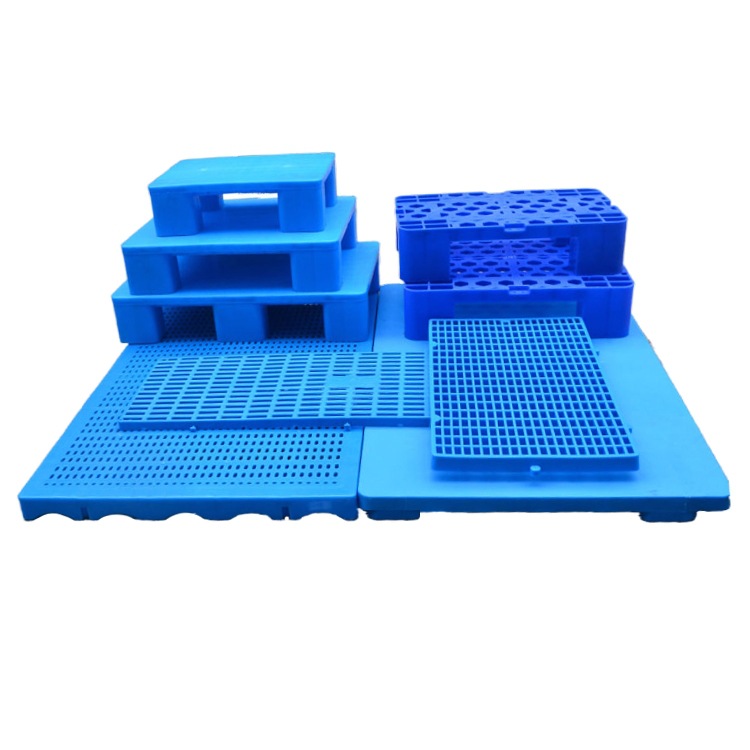
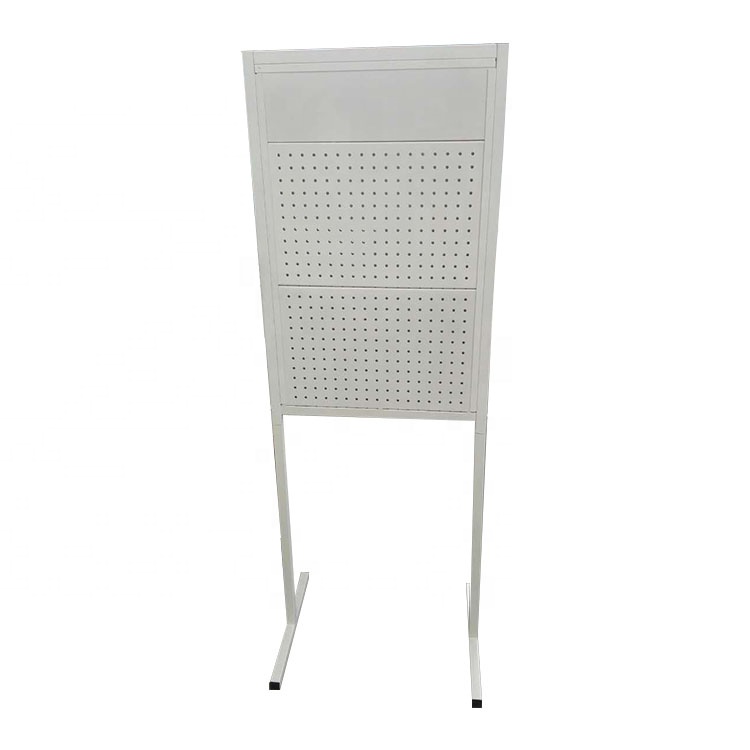
Selecting the optimal stacking plastic flat tray requires a detailed analysis of your specific operational requirements. Buyers must evaluate load capacity, dimensional constraints, and environmental conditions to ensure the chosen solution minimizes waste and maximizes utility.
Determine whether you need dynamic load capacity (for moving pallets) or static load capacity (for stationary stacking). Our engineering team recommends selecting trays with a safety factor of 1.5x above your maximum expected load to prevent deformation over time.
Ensure the tray dimensions align with your standard pallet sizes (e.g., Euro pallet, ISO pallet) to maximize space utilization. Custom sizing is available for specialized automation lines, but standard dimensions offer faster lead times and lower MOQs.
Use this comprehensive checklist to evaluate potential suppliers and products before finalizing your procurement decision. This guide helps mitigate risks associated with quality inconsistencies and logistical mismatches.
The versatility of stacking plastic flat trays makes them indispensable across multiple sectors. From retail backrooms to complex automotive assembly lines, these containers solve critical storage and transportation challenges.
Ideal for stocking shelves, transporting goods from warehouses to sales floors, and organizing promotional displays. The flat design prevents small items from falling through.
Used in Just-In-Time (JIT) manufacturing to transport components between workstations. The sturdy construction withstands heavy metal parts and harsh factory environments.
Essential for pick-and-pack operations, allowing workers to efficiently sort and store diverse SKUs. The stackable nature optimizes vertical storage space in fulfillment centers.
Procuring stacking plastic flat trays internationally often presents unforeseen challenges. Understanding these common pitfalls allows buyers to implement preventive measures and secure better value.
Trays that do not meet specified tolerances can cause jams in automated conveyor systems. Solution: Request pre-production samples and verify dimensions against your technical drawings before authorizing mass production.
Low-quality recycled plastics may become brittle under UV exposure or cold temperatures. Solution: Specify virgin HDPE/PP materials and require UV-stabilization additives for outdoor or unheated warehouse applications.
Focusing only on loaded volume while ignoring empty nesting ratios leads to inflated return shipping costs. Solution: Calculate total lifecycle costs including return logistics, prioritizing trays with high nesting compression ratios.
Assuming static load capacity applies to dynamic scenarios results in product damage. Solution: Clearly distinguish between static and dynamic load requirements in your RFQ and demand test certificates for both.
As a specialized trade company integrating industry and trade, Jiangsu Changshu Vast Import and Export Trade Co., LTD offers distinct advantages for global buyers seeking reliable stacking plastic flat trays and supermarket equipment.
Our subsidiary, Changshu Xinyang Commercial Equipment Co., Ltd., specializes in researching, designing, and manufacturing. This vertical integration ensures direct access to factory pricing, faster communication, and tighter quality control.
With over 100 kinds of products including shopping trolleys, supermarket shelves, and storage racks, we offer one-stop sourcing solutions. This simplifies your procurement workflow and reduces vendor management overhead.
Our products sell in distant markets worldwide, backed by consistent high praise for quality and service. We understand international shipping requirements and customs documentation, ensuring smooth delivery to your port.
Get answers to the most common questions from B2B buyers regarding specifications, customization, and logistics for stacking plastic flat trays.
The primary difference lies in the bottom structure and nesting capability. Standard crates often have full or heavily perforated bottoms, which can allow small items to fall through. Stacking plastic flat trays feature reinforced ribs or solid surfaces designed specifically for stable stacking and item retention. Additionally, flat trays are engineered to nest tightly when empty, offering significantly higher space efficiency during return transport compared to traditional crates.
Yes, most manufacturers offer OEM services including logo molding, labeling, or painting. Custom branding enhances your internal logistics identification and reinforces corporate identity. Discuss your branding requirements with the supplier early in the quoting process, as custom molds or printing setups may affect MOQs and lead times.
Standard lead times typically range from 15 to 30 days depending on order volume and whether custom tooling is required. For existing stock items, shipment can be expedited within 7-10 days. It is advisable to plan your procurement cycle around these timelines, especially if ordering during peak manufacturing seasons.
Standard PP/HDPE trays may become brittle in extreme cold. However, specialized formulations with enhanced low-temperature impact resistance are available. If you operate in cold storage or frozen food logistics, explicitly request cold-storage rated trays from your supplier to prevent premature failure.
We integrate industry and trade with a focus on "product quality strives for survival." Our manufacturing process utilizes advanced welding, bending, and molding equipment. Rigorous QC checkpoints are implemented at raw material intake, during production, and before packaging, ensuring every batch meets international standards.
Whatsapp: +44 7761848393
Address: No. 781 Wangzhuang Industrial Park, Yungu Line, Suzhou, Suzhou, Jiangsu China
Website: https://www.vastrolley.com
Privacy statement: Your privacy is very important to Us. Our company promises not to disclose your personal information to any external company with out your explicit permission.
Fill in more information so that we can get in touch with you faster
Privacy statement: Your privacy is very important to Us. Our company promises not to disclose your personal information to any external company with out your explicit permission.